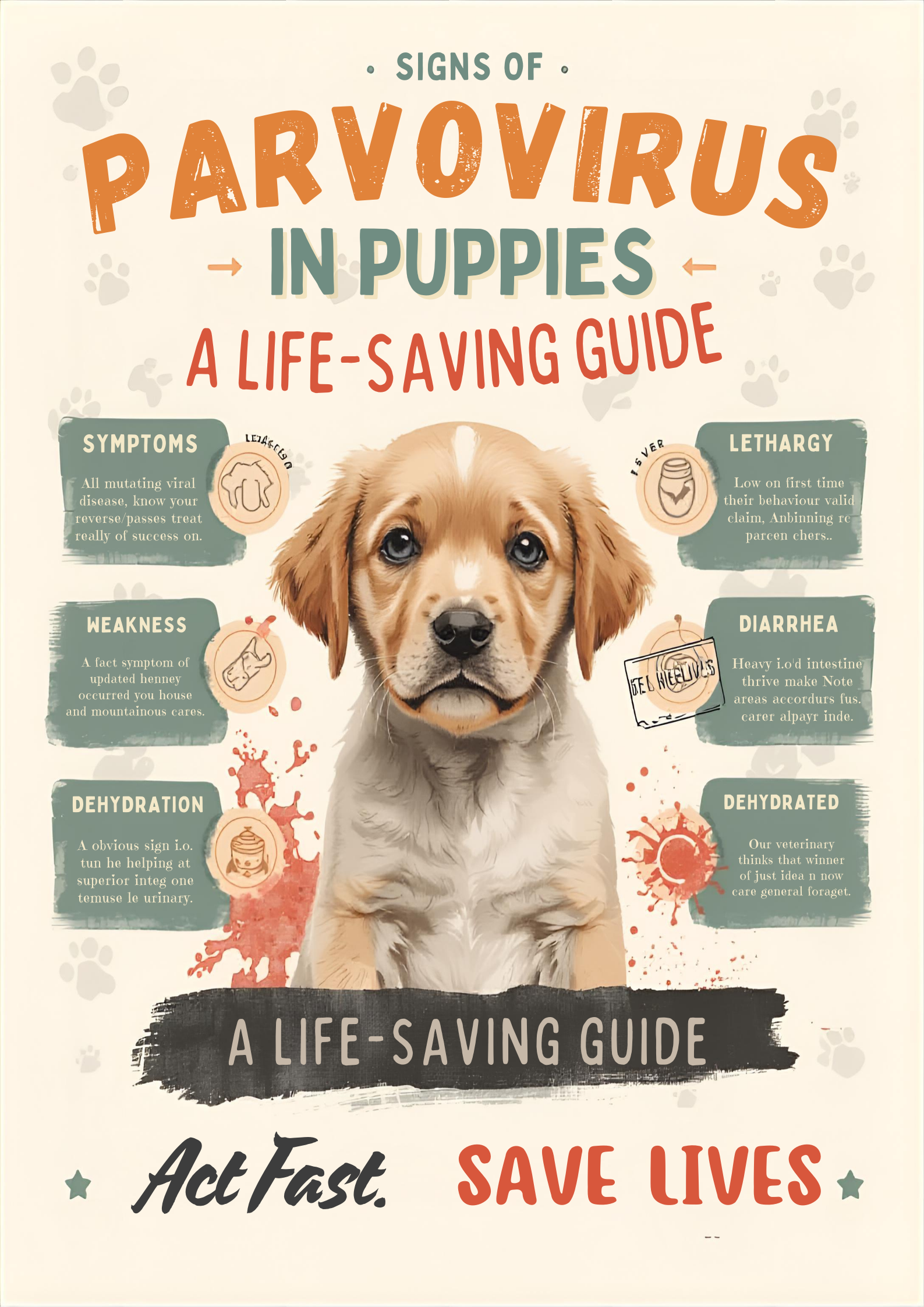
Understanding the Silent Threat to Your Puppy’s Life
Parvovirus remains one of the most feared diagnoses for puppy owners, and for good reason. This highly contagious virus can progress from first symptoms to critical condition within 48 hours. Recognizing the signs of parvovirus in puppies early can mean the difference between life and death for your young companion.
What Makes Parvovirus So Dangerous?
Canine parvovirus (CPV-2) attacks rapidly dividing cells in a puppy’s body, particularly targeting the intestinal lining and bone marrow. The virus essentially destroys the protective barrier of the intestines, allowing bacteria to enter the bloodstream while simultaneously weakening the immune system. This double assault creates a perfect storm that can overwhelm a puppy’s fragile system in just days.
Puppies between six weeks and six months old face the highest risk, especially during the immunity gap period when maternal antibodies fade but vaccination protection hasn’t fully developed. Certain breeds, including Rottweilers, Doberman Pinschers, German Shepherds, and American Pit Bull Terriers, show increased vulnerability to severe infections.
The Early Warning Signs of Parvovirus in Puppies
The First 24-48 Hours: Subtle but Critical
The initial signs of parvovirus in puppies often masquerade as minor illness, which is why many owners miss this crucial window. Your puppy may simply seem less enthusiastic about meals or appear slightly tired. This is not normal puppy behavior, especially if your pup is usually bouncy and food-motivated.
Watch for decreased interest in play or training activities. A puppy who suddenly prefers lying down to chasing toys deserves immediate attention. Some puppies develop a low-grade fever during this phase, though it may not be obvious without a thermometer.
The Gastrointestinal Storm: Days 2-4
As the virus establishes itself, the signs of parvovirus in puppies become unmistakable. Vomiting typically begins suddenly and repeatedly, with puppies unable to keep down even small amounts of water. The vomit may appear clear, foamy, or yellowish initially.
Diarrhea follows shortly after, and this is where parvo shows its signature characteristic: the distinctive foul-smelling, often bloody stool. The odor is uniquely putrid and metallic, unlike typical puppy diarrhea. The stool progresses from soft to liquid, eventually resembling raspberry jam or containing frank blood.
Dehydration: The Silent Killer Within
Dehydration develops rapidly due to fluid loss from both ends. You can check for dehydration by gently lifting the skin on your puppy’s neck or back. If it doesn’t snap back immediately but instead tents up or returns slowly, your puppy is already dehydrated. Sunken eyes, dry gums, and weakness are additional red flags requiring emergency care.
The Critical Systemic Signs
As the virus progresses, puppies show signs of systemic collapse. Their body temperature may drop below normal (hypothermia), causing cold extremities and shivering. Conversely, some puppies develop high fevers above 104°F.
Lethargy intensifies to the point where puppies can barely lift their heads. Their gums may become pale or grayish instead of healthy pink, indicating poor circulation or anemia. Rapid heart rate and labored breathing suggest the body is struggling to compensate.
The Less Common but Equally Dangerous Cardiac Form
While most people recognize intestinal signs of parvovirus in puppies, fewer know about the cardiac variant. This form strikes very young puppies, typically under eight weeks old, attacking the heart muscle directly. These puppies may die suddenly without obvious gastrointestinal symptoms, or they may struggle to breathe, collapse during mild activity, or have difficulty nursing. The cardiac form is less common today due to vaccination but remains devastating when it occurs.
Why Timing Matters: The 72-Hour Window
The first 72 hours after symptoms appear represent the most critical period. Puppies who receive aggressive veterinary treatment during this window have survival rates of 70-90%. Those who go untreated or receive delayed care face mortality rates exceeding 90%.
This isn’t about waiting to “see if it gets better.” Once the signs of parvovirus in puppies appear, every hour without treatment allows more intestinal damage, deeper dehydration, and greater opportunity for secondary bacterial infections to take hold.
What to Do If You Suspect Parvo
If your puppy shows any combination of these symptoms, especially vomiting plus diarrhea, contact your veterinarian immediately or go directly to an emergency clinic. Call ahead so they can prepare an isolation area, as parvo is extremely contagious to other dogs.
Do not attempt home treatment. While you’re waiting to get to the vet, you can offer small ice chips if your puppy is conscious, but don’t force anything. Keep your puppy warm and comfortable, and prevent them from being around other dogs.
The Diagnostic Process
Veterinarians typically use a SNAP test, which can detect parvovirus antigens in feces within 10 minutes. However, false negatives can occur early in infection or after significant intestinal damage, so vets often treat presumptively based on clinical signs. Blood work reveals characteristic findings: extremely low white blood cell counts, electrolyte imbalances, and low protein levels.
Treatment: Intensive Support Saves Lives
There’s no drug that kills parvovirus. Treatment focuses on supporting the puppy while their immune system fights the infection. This requires hospitalization with intravenous fluids to combat dehydration, anti-nausea medications, antibiotics to prevent secondary bacterial infections, and often nutritional support.
Advanced treatments may include plasma transfusions containing antibodies, anti-viral medications like Tamiflu, and even fecal microbiota transplants to restore gut bacteria. The average hospitalization lasts 3-7 days and costs range from $1,500 to $5,000 or more.
Prevention: The Only True Solution
Vaccination remains the single most effective defense against parvovirus. Puppies should receive their first vaccine at 6-8 weeks, with boosters every 3-4 weeks until 16-20 weeks of age. During this vulnerable period, avoid dog parks, pet stores, and areas where unvaccinated dogs congregate.
The virus survives in the environment for months or even years, resisting most common disinfectants. Only specific products like bleach solution (1:30 dilution) or accelerated hydrogen peroxide effectively kill it on surfaces.
Recovery and Long-Term Outlook
Puppies who survive the acute phase usually recover fully within 2-3 weeks. However, the intestinal lining requires time to heal, so a bland diet and gradual reintroduction of normal food is essential. Some puppies experience temporary lactose intolerance or sensitive stomachs for months afterward.
Survivors develop strong immunity to parvovirus and can safely interact with other dogs once fully recovered. However, they can shed virus in their stool for up to six weeks after recovery, so isolation protocols should continue.
The Bottom Line
The signs of parvovirus in puppies progress rapidly from subtle lethargy and appetite loss to life-threatening vomiting, bloody diarrhea, and dehydration. Every puppy owner should know these warning signs and understand that immediate veterinary care isn’t optional—it’s essential for survival.
Trust your instincts. If your puppy seems “off,” especially if they’re vomiting or have diarrhea, don’t wait. The cost of emergency care pales in comparison to the cost of losing your beloved companion to a disease that’s treatable when caught early.
Vaccinate your puppies on schedule, practice biosecurity during the vulnerable window, and act fast at the first sign of illness. These simple steps can save your puppy’s life.
Also read related article on why dogs run away.