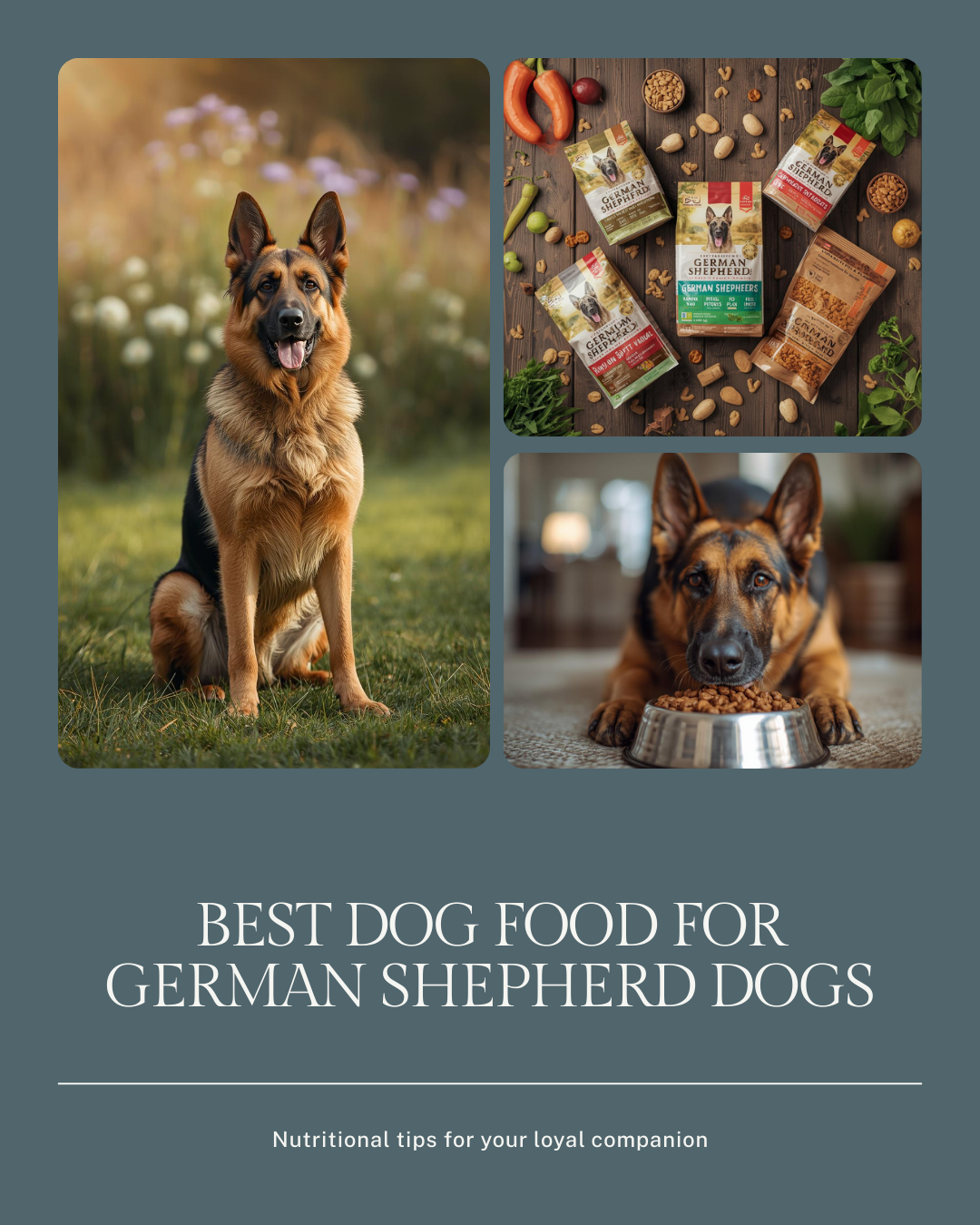
German Shepherds are one of the most popular dog breeds, known for their intelligence, loyalty, and athletic capabilities. However, their unique physiology and energy demands require careful attention to nutrition. Finding the best dog food for German Shepherd dogs isn’t just about picking any premium brand—it’s about understanding what makes these magnificent animals thrive.
Understanding German Shepherd Nutritional Needs
German Shepherds have a fast metabolism and require high-quality nutrition to maintain their muscular build and support their active lifestyle. Unlike smaller dog breeds, German Shepherds need carefully balanced proteins, fats, and essential nutrients throughout their lifetime.
A typical adult German Shepherd requires 22-25% crude protein and 5-15% fat content. However, this varies based on their life stage. Puppies need higher protein (25-30%) for bone development, while senior German Shepherds may benefit from slightly lower calories to prevent obesity.
Key Nutritional Components for German Shepherds
Protein Quality and Sources
The best dog food for German Shepherd dogs emphasizes high-quality, named animal proteins. Look for foods listing specific meat sources like beef, chicken, or fish as primary ingredients rather than generic “meat meal” or “animal by-products.” German Shepherds benefit from diverse protein sources to ensure they receive all essential amino acids necessary for muscle maintenance and immune function.
Joint and Bone Health
German Shepherds are prone to hip dysplasia and elbow dysplasia due to their large frame. The best dog food for German Shepherd dogs includes glucosamine, chondroitin, and omega-3 fatty acids to support joint cartilage and reduce inflammation. Calcium and phosphorus ratios should be balanced (ideally 1.2:1) to support bone density without causing developmental issues.
Omega Fatty Acids
These essential fats are crucial for maintaining healthy skin and coat, which are particularly important for German Shepherds with their double coats. Omega-3 and omega-6 fatty acids also support cognitive function and reduce inflammatory responses in the body.
Digestive Health
German Shepherds often have sensitive digestive systems. Foods containing probiotics, prebiotics, and digestive enzymes help optimize nutrient absorption and reduce gastrointestinal issues. Including adequate fiber from sources like sweet potatoes and vegetables aids digestion without causing bloating.
Top Dog Food Options for German Shepherds
Based on nutritional profiles, ingredient quality, and suitability for German Shepherd’s specific needs, here are some of the best dog food for German Shepherd dogs currently available:
Orijen Original – This Canadian brand offers extremely high protein (38%) from multiple meat sources and includes glucosamine and chondroitin for joint health. It’s grain-free with excellent digestibility, making it ideal for German Shepherds with sensitive stomachs.
Taste of the Wild High Prairie – Features bison and venison as primary proteins with added probiotics and omega fatty acids. It’s grain-free, reasonably priced, and specifically formulated to support active, large-breed dogs.
Purina Pro Plan Sport – An excellent mid-range option with 26% protein, real chicken, and added joint support. It’s veterinarian-recommended and provides exceptional value for German Shepherd owners on a budget.
Merrick Grain Free – Offers high-quality meat sources, no corn or soy, and includes probiotics for digestive health. It’s particularly good for German Shepherds prone to allergies or digestive sensitivities.
Royal Canin German Shepherd – Specifically formulated for the breed with optimal protein-fat ratios, enhanced joint support, and digestive care. While more expensive, it’s veterinarian-designed for German Shepherd physiology.
Wellness CORE Grain Free – High protein (34%), completely grain-free, with added glucosamine and fish oil. It’s excellent for maintaining lean muscle mass in active German Shepherds.
How to Evaluate Any Dog Food for Your German Shepherd
Rather than being limited to these brands, here’s how to evaluate any dog food that interests you:
Read the Ingredient List Carefully
The first three ingredients should be recognizable meat proteins. Avoid foods with excessive grains, artificial colors, flavors, or preservatives. Look for foods using named fats (like chicken fat) rather than generic “animal fat.”
Check Nutritional Adequacy
Legitimate dog foods display AAFCO (Association of American Feed Control Officials) certification, indicating the food meets minimum nutritional standards. However, AAFCO standards represent minimum requirements, not optimal nutrition.
Grain-Free Considerations
While grain-free diets became trendy, recent studies suggest they may be associated with heart issues in some dogs. Unless your German Shepherd has specific grain allergies, a diet containing quality grains like brown rice or oats is often preferable and more digestible.
Price Doesn’t Always Indicate Quality
Some expensive brands rely heavily on marketing rather than superior nutrition. Conversely, budget brands often cut corners on ingredient quality. Mid-range premium brands frequently offer excellent value with genuinely superior formulations.
Life Stage Considerations
Puppy Nutrition
German Shepherd puppies require controlled growth to prevent bone and joint problems. Their food should have moderate protein (25-28%) and lower calcium levels than many premium puppy foods recommend. This prevents too-rapid bone development that can predispose them to dysplasia.
Adult German Shepherds
Adults thriving on consistent exercise need adequate calories and protein to maintain muscle mass. An active adult German Shepherd typically needs 1,500-2,200 calories daily, though this varies based on individual metabolism and activity level.
Senior Dogs
As German Shepherds age, their caloric needs decrease while their need for joint support increases. Senior formulas often include additional glucosamine and reduced calories to prevent obesity, which is particularly important for aging joints.
Practical Feeding Guidelines
Feed your German Shepherd twice daily rather than once. This supports better digestion and stabilizes blood sugar levels. The amount depends on age, activity level, and individual metabolism, but most adult German Shepherds thrive on 3-4 cups of quality food daily, divided between two meals.
Monitor your dog’s body condition regularly. You should be able to feel their ribs with light pressure, but they shouldn’t be clearly visible. Adjust portions based on actual body condition rather than relying solely on package recommendations.
Common Feeding Mistakes to Avoid
Never switch foods abruptly, as this causes digestive upset. Transition new food gradually over 7-10 days, mixing increasing portions of the new food with the old. Avoid feeding table scraps and human foods, which can cause nutritional imbalances and digestive issues. Don’t assume that expensive organic or trendy brands are necessarily better suited for your individual dog.
Monitoring Your German Shepherd’s Health
The best dog food for German Shepherd dogs should result in visible health improvements: a shiny, healthy coat, consistent energy levels, firm stools, and healthy weight. Within 2-3 weeks of switching to a quality food, you’ll notice improvements in coat quality and digestive health.
Regular veterinary check-ups help identify nutritional issues early. Discuss your German Shepherd’s diet with your vet, especially if they have specific health concerns or are prone to allergies.
Conclusion
Finding the best dog food for German Shepherd dogs requires understanding their unique nutritional needs rather than simply choosing a popular brand. Focus on quality protein sources, appropriate joint support, balanced nutrients, and food that produces visible health improvements in your individual dog. Every German Shepherd is unique, and what works perfectly for one may not suit another. By paying attention to ingredient quality, nutritional balance, and your dog’s individual response to food, you’ll provide the optimal nutrition your German Shepherd needs to live a long, healthy, and active life.
Also read related article on why dogs run away.