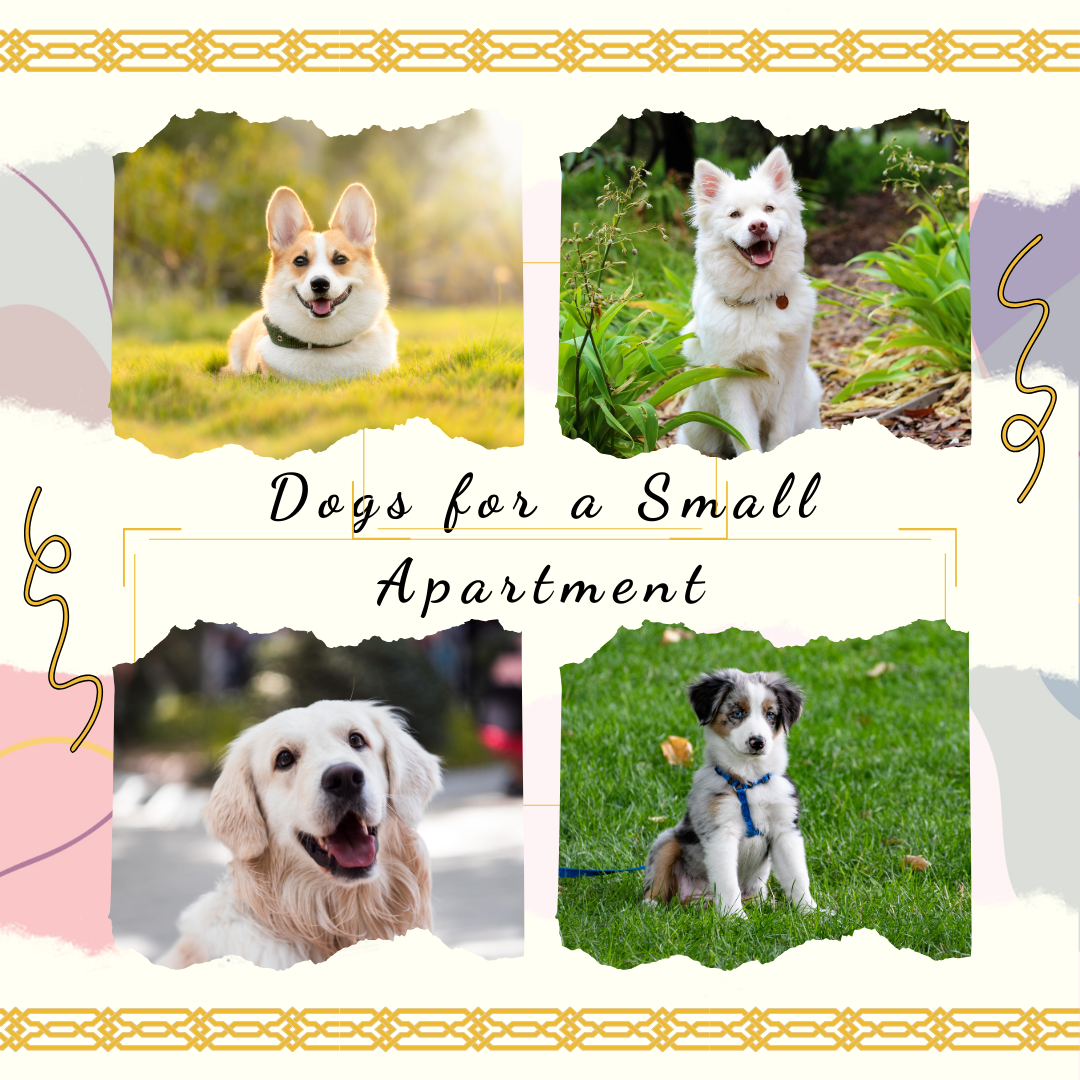
Living in a small apartment doesn’t mean you have to give up on owning a dog. The key is finding the right breed that matches your limited space and lifestyle. In this comprehensive guide to dogs for a small apartment, we’ll explore what makes certain dogs perfect for apartment living and reveal some lesser-known facts that can transform how you approach small-space pet ownership.
Why Small Apartments Need Special Dog Selection
Most pet guides focus on breed size alone, but living with dogs for a small apartment involves much more. The real consideration goes beyond square footage—it’s about barking tendencies, exercise requirements, and whether a dog can maintain mental stimulation without constant outdoor access. Many apartment dwellers fail because they overlook the behavioral aspects that matter most in compact living.
The Apartment Dog Personality Profile
Before choosing a breed, understand what traits make a dog apartment-suitable. Dogs for a small apartment need low-to-moderate exercise requirements, minimal barking tendencies, and independence during work hours. They should be comfortable with limited space and not require extensive daily running. Additionally, they need the ability to entertain themselves without destructive behaviors when you’re away.
Best Dogs for a Small Apartment
French Bulldogs remain top choices, but here’s what most sources miss: their stubborn nature requires specific training approaches that work better in apartments than traditional methods. They thrive with routine-based owners and actually develop separation anxiety less frequently than other small breeds.
Cavalier King Charles Spaniels are surprisingly apartment-appropriate despite their spaniel heritage. Unlike their hunting cousins, they’re perfectly content with short walks and indoor play. They’re gentle with neighbors and rarely excessive barkers.
Pugs adapt exceptionally well to apartment life. Beyond their small size, they have naturally low prey drive and minimal outdoor exercise needs. Interestingly, they’re excellent for first-time apartment dog owners because they forgive inconsistent training schedules.
Boston Terriers often get overlooked in apartment discussions, yet they’re exceptional choices. They combine the playfulness of larger breeds with the space requirements of smaller ones. Their short attention span actually works in favor—they tire mentally rather than physically.
Shih Tzus and Maltese breeds excel in apartments because they were historically bred for palace living. Their needs are genuinely modest, though grooming requirements demand investment. Lesser-known fact: they require less exercise than many believe but need consistent mental engagement.
Dachshunds present an interesting paradox. Despite their hunting background, they’re surprisingly content in apartments when they receive adequate mental stimulation. They bond intensely with their owners and often prefer indoor time.
What Sets Successful Apartment Dogs Apart
The difference between a thriving apartment dog and a problematic one usually comes down to four overlooked factors:
Mental Stimulation Over Physical Exercise. Most guides emphasize walking distance, but apartment dogs actually need brain work more than endless running. Puzzle toys, training sessions, and scent games matter more than long walks for preventing behavioral issues.
Owner Commitment to Routine. Dogs thriving in small spaces have owners who maintain consistent schedules. This doesn’t mean they must work from home—it means predictable feeding, play, and sleep times that reduce anxiety-related barking.
Proper Apartment Soundproofing Strategies. Beyond choosing a quiet breed, successful apartment owners implement sound management. Rugs, curtains, and white noise machines dramatically reduce perceived noise and help dogs feel secure.
Realistic Daily Schedules. Honest assessment of your availability matters more than breed selection. A high-energy dog with a committed owner outperforms a low-energy dog with an absent one.
Creating the Ideal Apartment Dog Setup
Space Utilization. Vertical space works as effectively as horizontal. Cat trees (yes, for dogs), shelves, and elevated beds create personal zones in small apartments. Dogs psychologically prefer having distinct areas even within one room.
Exercise Expectations. Most apartment dogs need 30-45 minutes of daily activity, not two-hour adventures. Short walks plus indoor play sessions often exceed benefits of single long walks because they break up the day and maintain engagement.
Behavioral Training. Apartment living requires different training priorities than houses. Focus on quiet commands, impulse control during doorbell moments, and crate training for security rather than confinement. This specific training approach rarely gets attention in standard guides.
Health Considerations for Apartment Dogs
Small-space living affects health differently than traditional homes. Limited exercise can lead to joint issues in predisposed breeds, while stress from inadequate mental stimulation causes digestive problems. Regular veterinary check-ins become more important for monitoring stress-related conditions.
Climate control matters more too. Apartment buildings with inconsistent temperature or humidity create challenges for brachycephalic breeds like French Bulldogs. Understanding your building’s HVAC system directly impacts your dog’s health.
Common Apartment Dog Mistakes
Owners typically make three preventable errors: adopting high-energy breeds expecting they’ll adapt, purchasing excessive toys that create clutter rather than engagement, and using apartment living as an excuse to skip training. The most successful apartment dog owners treat training as ongoing, not optional.
Another overlooked mistake is neighbor neglect. Simply keeping your dog quiet matters less than building community relationships with neighbors. A considerate word before potential issues transforms tolerance into acceptance.
The Cost Reality
Small apartment dogs require different financial planning. While veterinary costs might be lower for smaller breeds, behavioral training, mental enrichment toys, and potential furniture damage from anxiety often cost more than owners expect. Budget accordingly beyond initial adoption fees.
Conclusion
Dogs for a small apartment thrive when owners prioritize mental enrichment, maintain consistent routines, and select breeds matching both space and lifestyle realistically. The best apartment dog isn’t necessarily the smallest or quietest breed—it’s the one whose personality and needs align with your actual daily life. Success comes from honest assessment of your commitment level and choosing accordingly.
Also read related article on why dogs run away.